
Heritage & History
Honoring Our Past. Building What’s Next.
Since 1947, Little Rapids Corporation has grown from a single Wisconsin paper mill into a diversified, family-owned company serving customers around the world.
Across Rapids Paper + Packaging, Graham Medical, and Graham Beauty, we combine generations of manufacturing expertise with a continued focus on innovation, quality, and responsible growth. Our history reflects a willingness to evolve—entering new markets, expanding our capabilities, and investing for the future while remaining grounded in the values that have guided us from the beginning.
2020-Current
Stronger Together
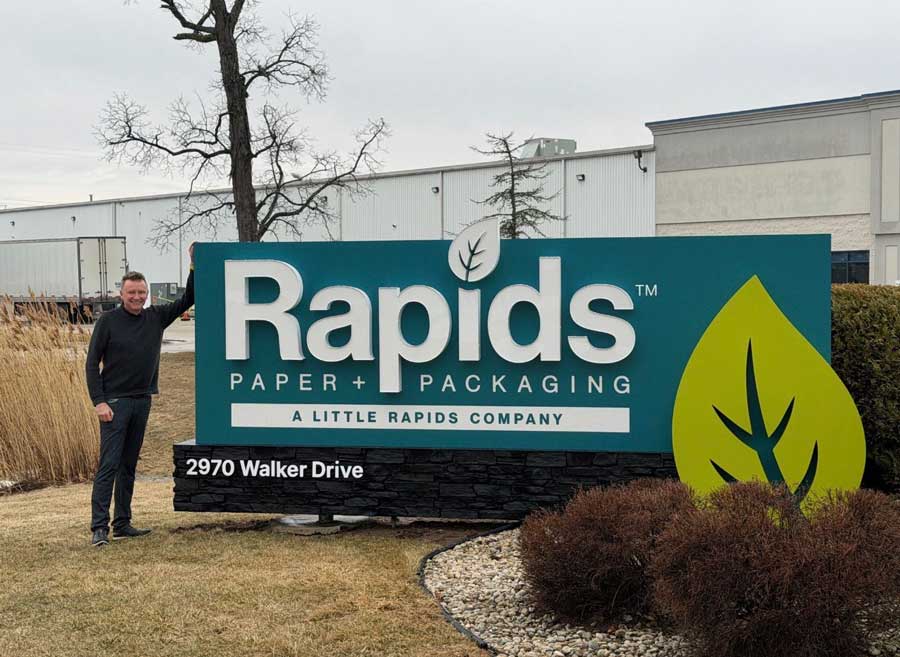
In 2026, Shawano Specialty Papers and Nexxa Print were united as Rapids Paper + Packaging, bringing papermaking, printing, and converting capabilities together under one brand.
The new organization combines deep technical expertise with expanded capabilities in specialty paper and flexible packaging. Supported by continued investment in people, equipment, and innovation, Rapids is helping customers bring new paper-based packaging solutions to market.
The new organization combines deep technical expertise with expanded capabilities in specialty paper and flexible packaging. Supported by continued investment in people, equipment, and innovation, Rapids is helping customers bring new paper-based packaging solutions to market.
2010-2020
Expanding Our Reach
Little Rapids acquired Larsen Printing in 2010, adding flexographic printing to its manufacturing capabilities and expanding the company into new paper, film, and flexible-packaging markets. A new Green Bay facility later consolidated the printing operation and provided greater capacity for future growth.
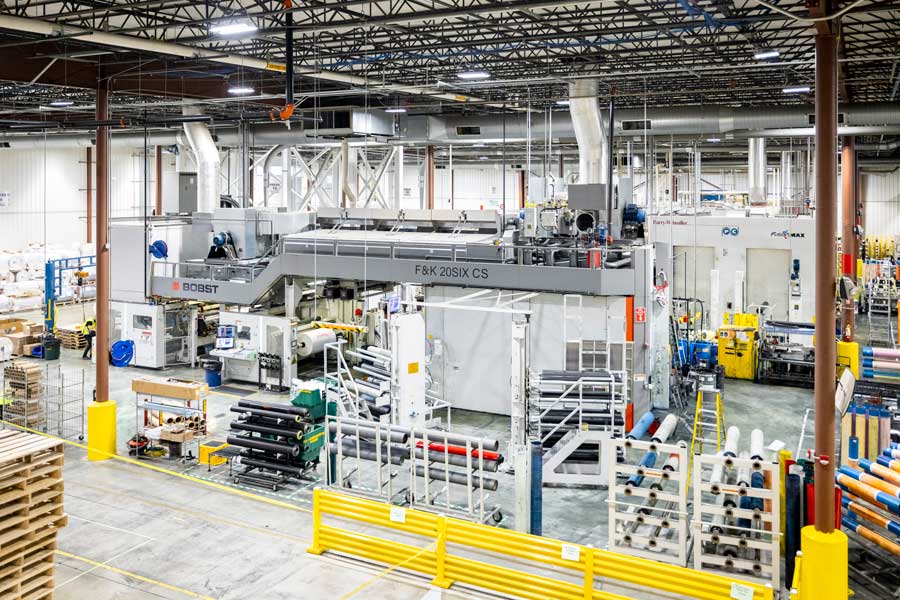
The company also made major investments across its manufacturing network, including a new high-speed paper machine at the Shawano mill. The project significantly increased specialty tissue capacity, improved efficiency, and strengthened the company’s ability to support its medical, beauty, and specialty-paper businesses.
The company also made major investments across its manufacturing network, including a new high-speed paper machine at the Shawano mill. The project significantly increased specialty tissue capacity, improved efficiency, and strengthened the company’s ability to support its medical, beauty, and specialty-paper businesses.

2000-2009
Strengthening the Core
Following decades of growth, Little Rapids continued strengthening its medical, beauty, and specialty paper businesses through product development, operational investment, and strategic expansion.
In 2008, FAMIS Manufacturing joined Little Rapids Corporation and became part of the Graham Beauty business. FAMIS brought a strong portfolio of single-use products for salons and barbers, expanding Graham Beauty’s capabilities and reinforcing its position as a trusted supplier to the professional beauty market
In 2008, FAMIS Manufacturing joined Little Rapids Corporation and became part of the Graham Beauty business. FAMIS brought a strong portfolio of single-use products for salons and barbers, expanding Graham Beauty’s capabilities and reinforcing its position as a trusted supplier to the professional beauty market
1990s
Building a Diversified Business
Little Rapids continued expanding beyond traditional papermaking, strengthening its presence in the professional beauty and dental markets through targeted acquisitions and new product lines.
The company added nationally recognized brands, expanded its disposable product portfolio, and invested in manufacturing capabilities to support future growth. During this period, Little Rapids also sharpened its specialty paper focus, concentrating resources on the Shawano mill and introducing new proprietary products for premium applications.
The company added nationally recognized brands, expanded its disposable product portfolio, and invested in manufacturing capabilities to support future growth. During this period, Little Rapids also sharpened its specialty paper focus, concentrating resources on the Shawano mill and introducing new proprietary products for premium applications.
1970s-1980s
Growing into Healthcare
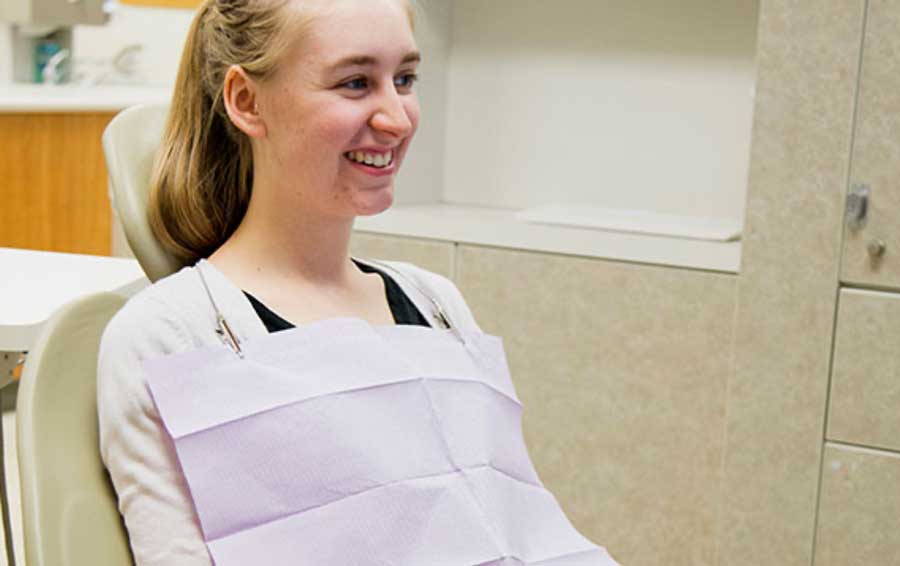
Little Rapids expanded into medical disposables through the acquisition of Pacific Papers in Tacoma, Washington, giving the company national distribution and establishing what would become Graham Professional.
The company also acquired a two-machine paper mill in Potsdam, New York, adding papermaking capacity and strengthening its specialty paper business. These acquisitions broadened Little Rapids’ capabilities and created important new avenues for growth.
The company also acquired a two-machine paper mill in Potsdam, New York, adding papermaking capacity and strengthening its specialty paper business. These acquisitions broadened Little Rapids’ capabilities and created important new avenues for growth.
1950s-1960s
From Paper to Possibility
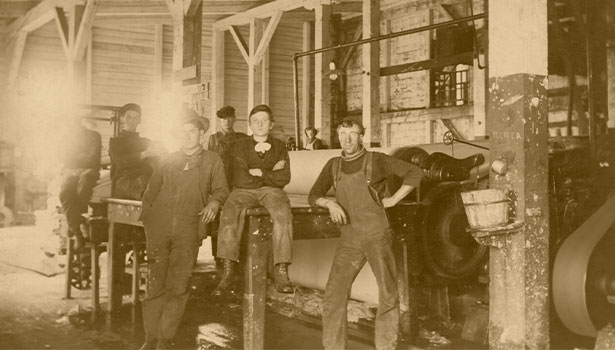
Little Rapids expanded its papermaking base through the acquisition of the Shawano Paper Mill, a two-machine operation with roots dating back to 1894. The company also invested in converting equipment and new product capabilities, opening opportunities beyond traditional paper manufacturing.
During this period, Little Rapids entered the professional beauty market through the acquisition of Graham Medical Supply and expanded its manufacturing footprint with the purchase of a tissue paper operation in Long Island, New York. These investments laid the foundation for the company’s future growth in specialty paper, healthcare, and beauty.
During this period, Little Rapids entered the professional beauty market through the acquisition of Graham Medical Supply and expanded its manufacturing footprint with the purchase of a tissue paper operation in Long Island, New York. These investments laid the foundation for the company’s future growth in specialty paper, healthcare, and beauty.
1947
Where It All Began
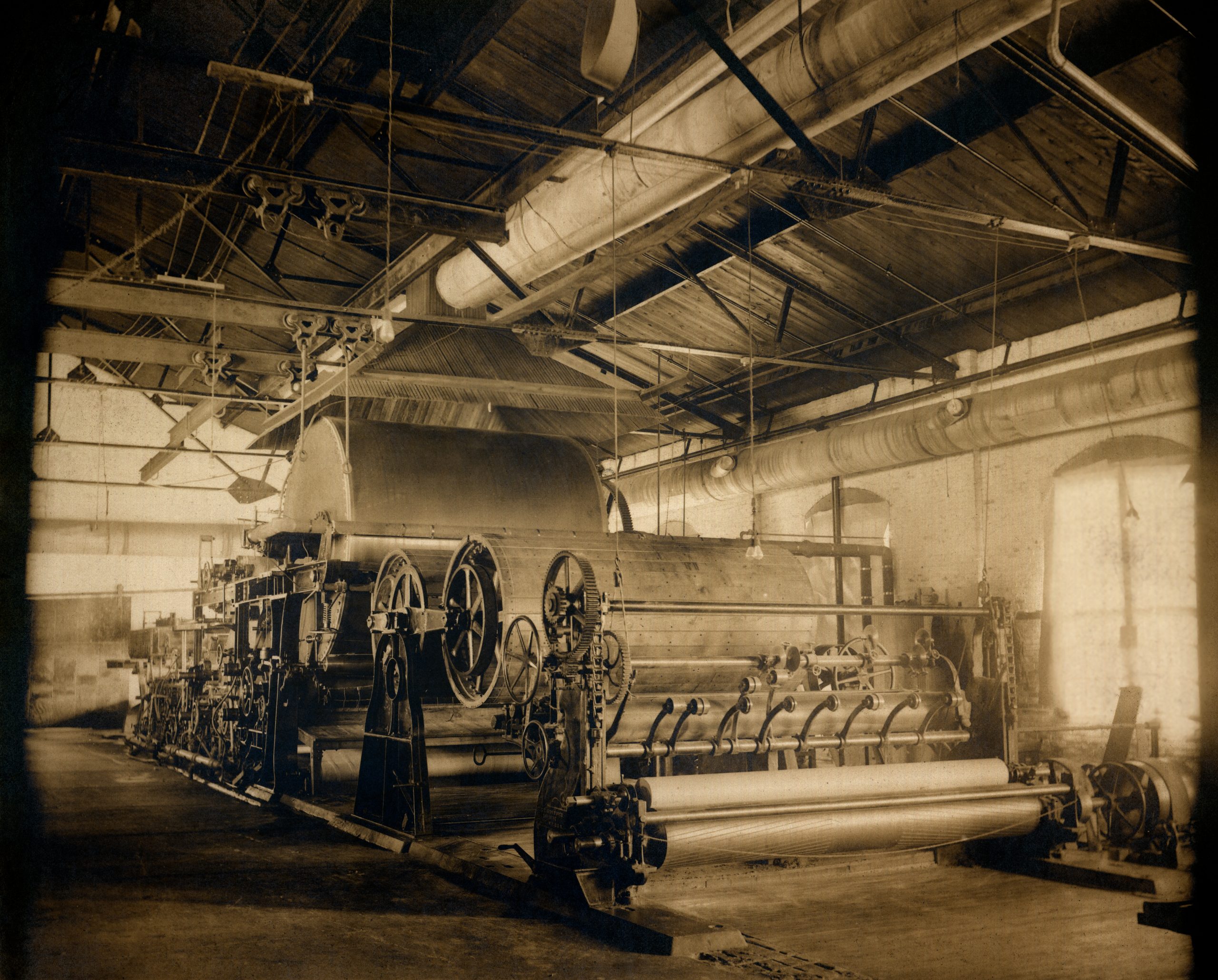
Charles Egan acquired Little Rapids Corporation, then a small paper company located along the Fox River in Green Bay.
With a long-term vision and an entrepreneurial spirit, the Egan family began building the company that Little Rapids is today.
With a long-term vision and an entrepreneurial spirit, the Egan family began building the company that Little Rapids is today.
